When a loved one is facing a serious illness, the journey can be emotionally and physically draining for both them and their family. Palliative care can help improve the quality of life during this difficult time by focusing on comfort, pain relief, and supporting the emotional, physical, and spiritual needs of the patient. While it’s never easy to decide when…


Chronic illnesses such as heart disease, cancer, respiratory disorders, and neurological conditions are long-term and often incurable. Managing these conditions can be incredibly challenging not only for patients but also for their families. Palliative care services offer a comprehensive approach to managing chronic illnesses, focusing on symptom relief, improving quality of life, and providing holistic care. Unlike curative treatments that…
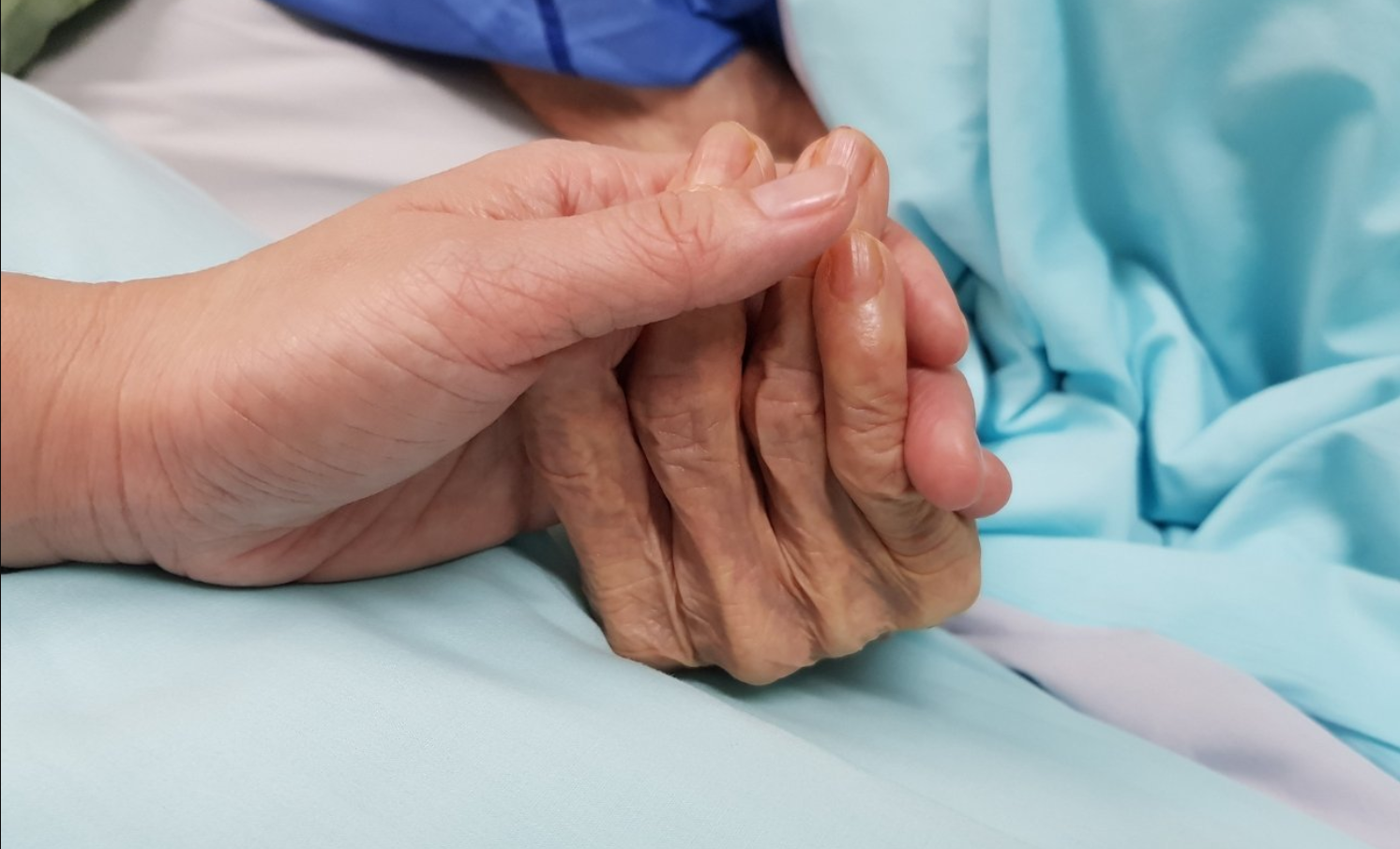
When facing a serious illness, the physical, emotional, and spiritual challenges can be overwhelming for both patients and their families. Palliative care services offer a comprehensive approach to managing these challenges by focusing on improving the quality of life rather than solely treating the illness itself. It is often confused with hospice care, but palliative care can be introduced at…

Hospice care is a specialized service that prioritizes comfort, dignity, and quality of life for individuals facing terminal illnesses. For the elderly, hospice care plays a pivotal role in addressing physical, emotional, and spiritual needs, ensuring they can live their final days with peace and dignity. Additionally, hospice care team texas city provides comprehensive support to families, helping them navigate…

Palliative care is a compassionate approach to healthcare that focuses on providing comfort, support, and quality of life for individuals with serious or life-limiting illnesses. It is designed to address not only physical symptoms but also emotional, social, and spiritual needs. While many people associate palliative care with end-of-life care, it can actually be beneficial at any stage of a…

When it comes to caring for individuals with serious or terminal illnesses, two common terms that often arise are hospice care and palliative care. While both are aimed at providing comfort and improving the quality of life for patients, they are distinct in their approaches, goals, and timing. In this blog, we will explore the differences between hospice and palliative…

Hospice care is often associated with providing comfort and medical care for those in their final stages of life. However, the scope of hospice care extends far beyond medical treatment. It is a comprehensive support system that addresses not just physical needs but also emotional, spiritual, and practical aspects of end-of-life care. For individuals and families navigating the end-of-life journey,…

When it comes to serious illness, many patients and families struggle with decisions about medical care. One option that offers considerable benefits, yet is often delayed, is hospice care. In Houston and throughout Texas, early hospice care has been shown to improve outcomes for patients, enhancing their quality of life and providing better support for both patients and families. This…

Advance care planning is a vital aspect of hospice care, ensuring that individuals receive care aligned with their values, preferences, and needs during the final stages of life. Hospice teams work closely with patients and families to navigate the complexities of decision-making, offering guidance, emotional support, and medical expertise. For those considering home care facilities in Montgomery, Texas, or exploring…

Cultural sensitivity in hospice and palliative care is increasingly vital in providing compassionate and effective end-of-life care. As communities become more diverse, understanding and respecting cultural values, traditions, and beliefs is essential for healthcare providers to meet the unique needs of patients and families. For those seeking services at a Houston hospice and palliative care facility center or any of…